

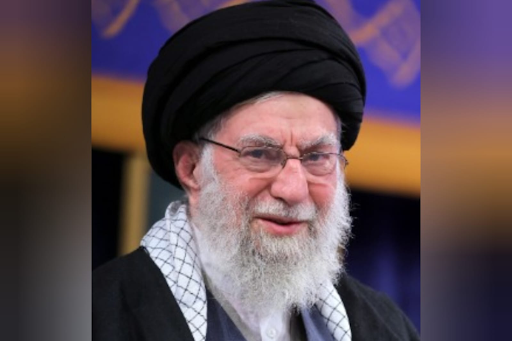
When the Islamic Revolution swept away the Shah’s regime in 1979, it did so with genuine popular energy and the support of a broad coalition of Iranians who wanted change. Nearly five decades later, the system that emerged from that revolution faces a challenge that may prove to be its most fundamental: the loss of its second and longest-serving leader, during an active war, following a domestic massacre that killed thousands.
The revolutionary generation that built the Islamic Republic is aging and dying. Khamenei himself was a product of that era, shaped by the ideological battles of the 1960s and 1970s and the transformative experience of the revolution. His successors will be formed by different experiences: the Iran-Iraq War, the sanctions era, the internet, the women’s rights movement, and the brutal suppression of January.
Whether the next generation of Iranian leadership will retain the revolutionary fervor that animated the founders, or will instead prioritize pragmatic state interests, is one of the most consequential questions in Middle Eastern politics. Signs of pragmatism have appeared at various points — most notably in the negotiations that produced the 2015 nuclear deal — but have always been ultimately overridden by ideological imperatives.
The IRGC’s growing dominance suggests a future in which the Islamic Republic functions more as a conventional authoritarian state — focused on regime survival, economic interests, and military power — than as an ideological project committed to exporting revolution. That would be a profound transformation, though not necessarily a more stable or benign one.
History suggests that revolutionary states do not change their fundamental character quickly or easily, even under extreme pressure. The Islamic Republic has resources, institutions, and a security apparatus that are formidable barriers to change. But the combination of war, demographic pressure, economic failure, and leadership transition creates conditions that make transformation possible in ways it has not been for decades.